






From the CEO: Oil spill preparedness requires action now

The level of preparedness for a major oil spill must increase in proportion to the growing level of risk in the Baltic Sea.
This text was published as an op-ed in a leading Finnish newspaper Iltalehti on Baltic Sea Day, 27 August 2026.
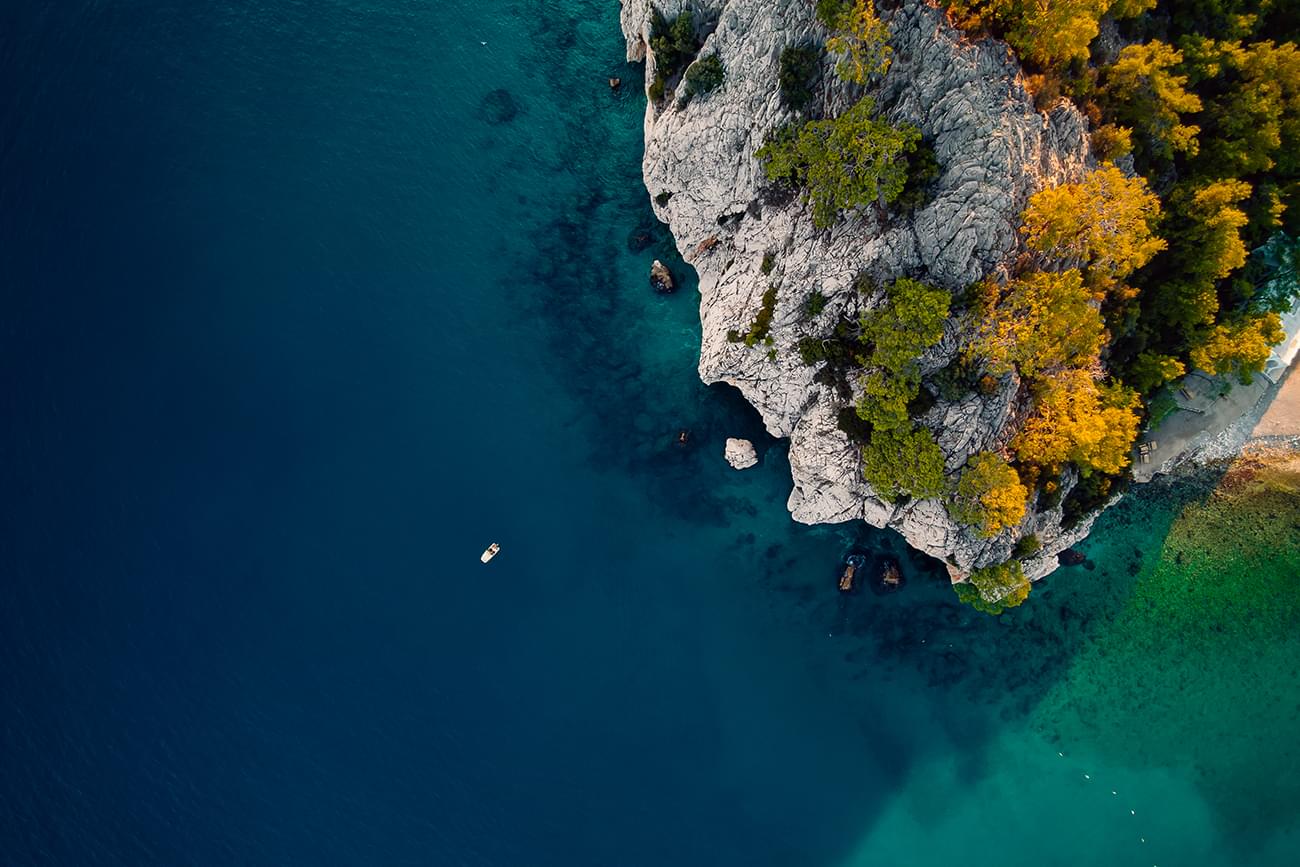
The Baltic Sea is one of the world’s most sensitive marine environments. For Finns, it is much more than a body of water on a map. It is part of our identity, our livelihoods, our security of supply, and our well-being. That is why, on Baltic Sea Day, it is worth asking openly: what would happen if a major oil spill occurred in the Gulf of Finland?
This is not a theoretical question. Every year, vast amounts of oil are transported through the Gulf of Finland by sea. Oil terminals, growing transport volumes, and the Baltic Sea’s intensive maritime traffic all increase the risks. At the same time, the security environment has changed dramatically. Particular concern has been raised by Russia’s so-called shadow fleet, whose vessels have been the subject of serious questions regarding their condition, insurance coverage, and safety practices.
While major oil accidents have so far been avoided, the possibility is real. For that very reason, we must be better prepared for them.
A large oil spill in the Gulf of Finland would quickly affect society as a whole. The marine environment would be the first to suffer. Oil would damage bird populations, fish stocks, and sensitive coastal ecosystems, whose recovery could take years or even decades. At the same time, the impacts would extend to fisheries, tourism, port operations, and businesses along the coast.
This would not merely be an environmental disaster. An oil accident could also disrupt energy supply, logistics, and international trade. Its consequences would be felt in employment, the operating conditions of businesses, and public finances. Oil spill response should therefore be viewed even more strongly as an integral part of Finland’s comprehensive security.
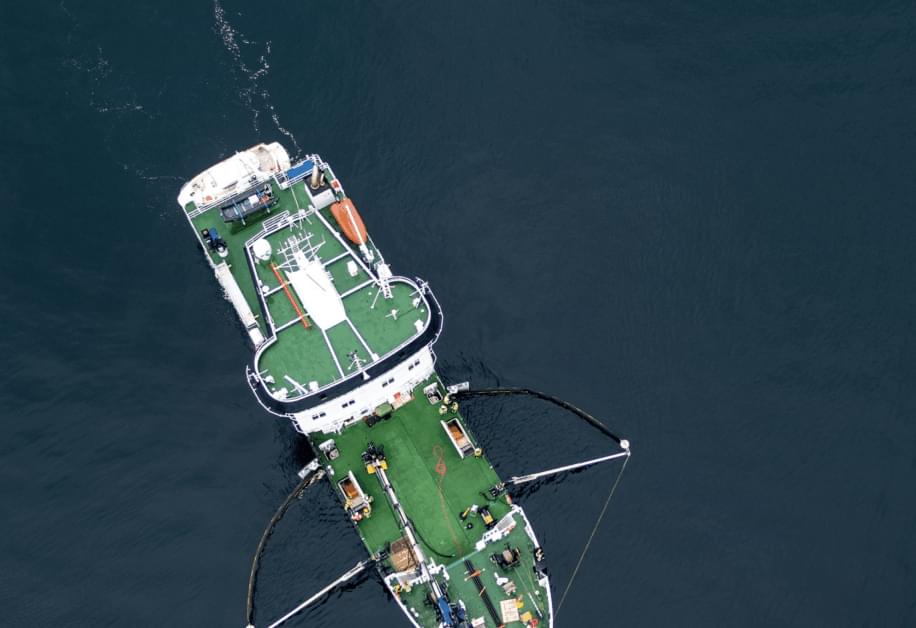
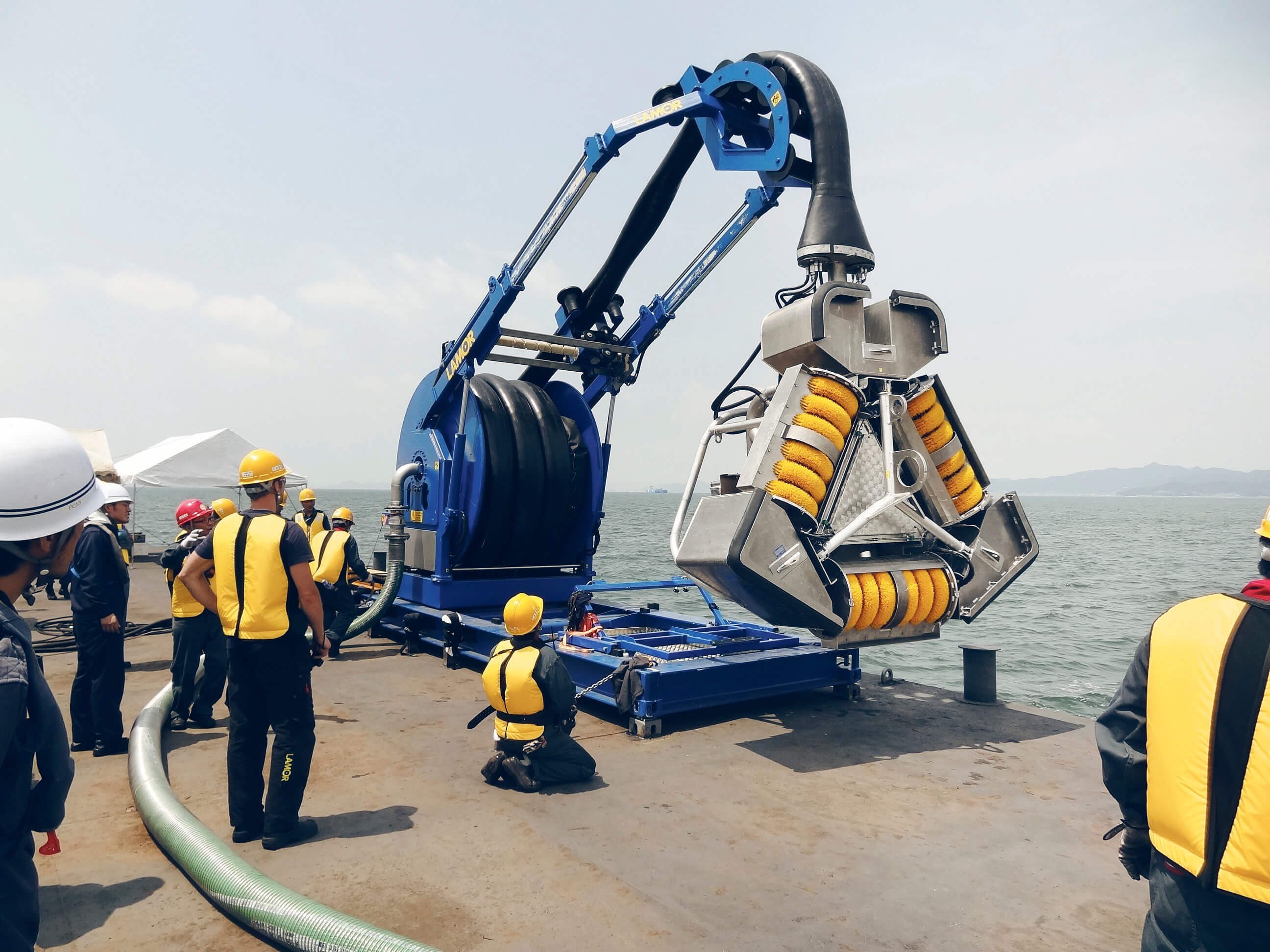
The best way to protect the coastline is to prevent oil from reaching it in the first place. The earlier a spill can be contained and recovered at sea, the smaller the environmental and economic damage will be. This requires authorities to have sufficient resources, modern equipment, and the ability to respond rapidly under all conditions. It is equally important to ensure that personnel training in oil spill response remains up to date and adequate. As action must begin immediately in the event of a crisis, it has been entirely right to proactively strengthen oil spill response preparedness along the Gulf of Finland coast and in the Archipelago Sea. Nevertheless, it must be acknowledged that the level of preparedness has not increased at the same pace as the level of risk.
Finland possesses strong expertise in environmental security, the circular economy, and environmental damage management. This expertise should be utilized more systematically. We need investments in new technologies, more efficient clean-up solutions, and innovations related to environmental restoration. In this work, cooperation between the public and private sectors is critically important.
Authorities, companies, research institutions, and non-governmental organizations need a shared vision of how environmental risks can be prevented and how to respond effectively when incidents occur. Finland should also look beyond its borders. The Nordic countries have demonstrated through defence cooperation that common solutions can be built effectively and sustainably.
The same approach must be reflected even more strongly in environmental protection and oil spill response. Shared Nordic preparedness capabilities, equipment procurement, exercises, and operating models would strengthen the entire region’s ability to respond to major environmental disasters. The sea on whose shores we live is a shared one. We have every prerequisite to lead this development.
Finland has the opportunity to become a leading nation in environmental security, restoration, and the circular economy. However, that requires decisions before the next crisis, not after it.
The cleanliness of the Baltic Sea is one of our most valuable shared assets. Protecting it is not merely an environmental act. It is an investment in security, the economy, and the well-being of future generations. Baltic Sea Day is a fitting occasion to begin a broader societal discussion on how to further strengthen preparedness and why we should act now.
Fred Larsen
Chief Executice Officer
Lamor Corporation Plc
Stay in the know
Sign up for our newsletter to learn more about innovations enabling the survival of our dear planet.
Related articles
View all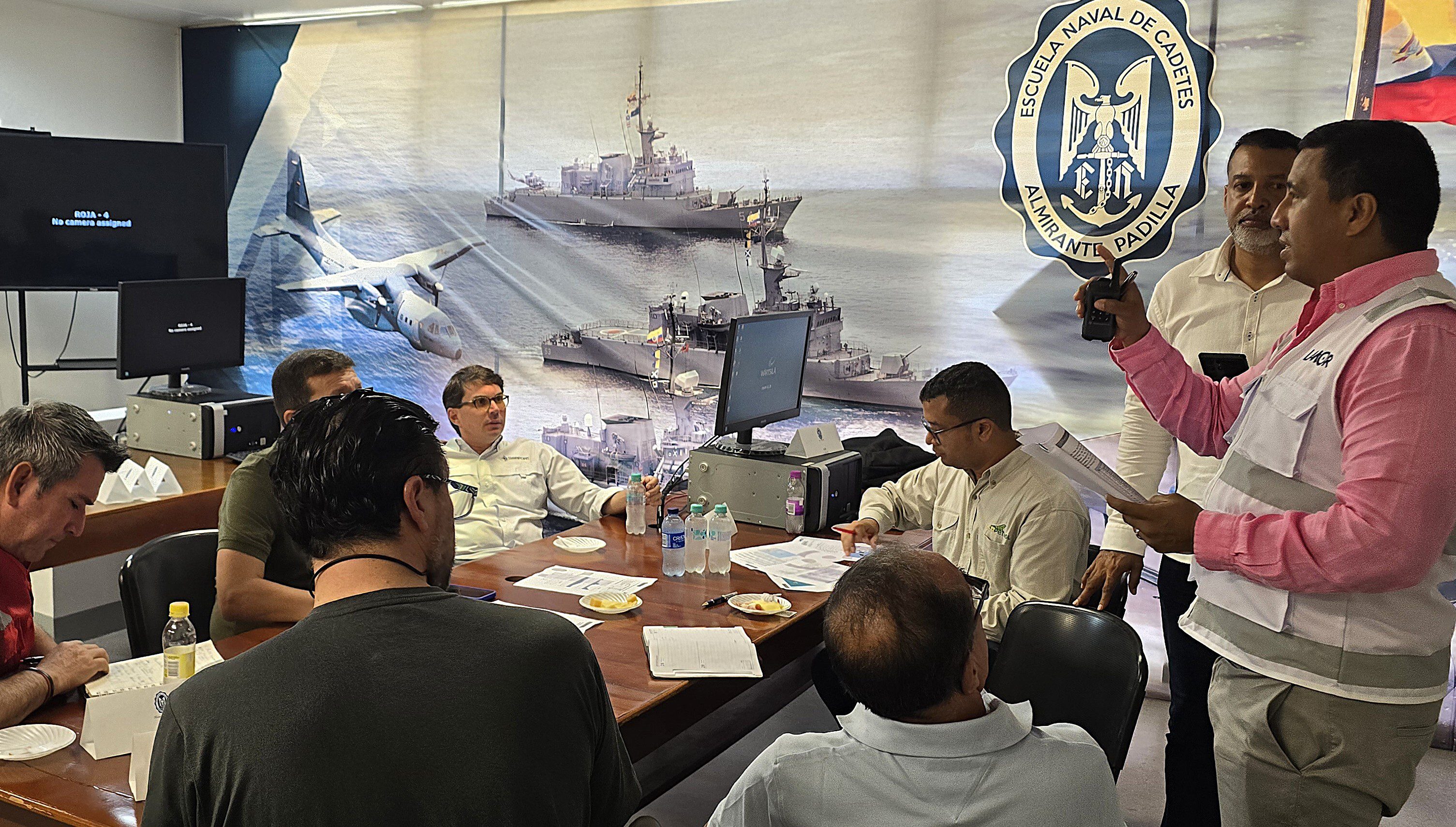
14.10.2026
Strengthening oil spill response: Lamor IMO OPRC Level 3 training in Colombia
Read more
30.09.2026
Lamor at the World Circular Economy Forum 2026 (WCEF) in Gujarat, India
Read more
12.08.2026
Blog: From low-sulphur to renewable: what a fragmenting fuel mix means for oil spill response
Read more