





Restoring Kuwait’s soil by cleaning up world’s biggest anthropogenic oil spill
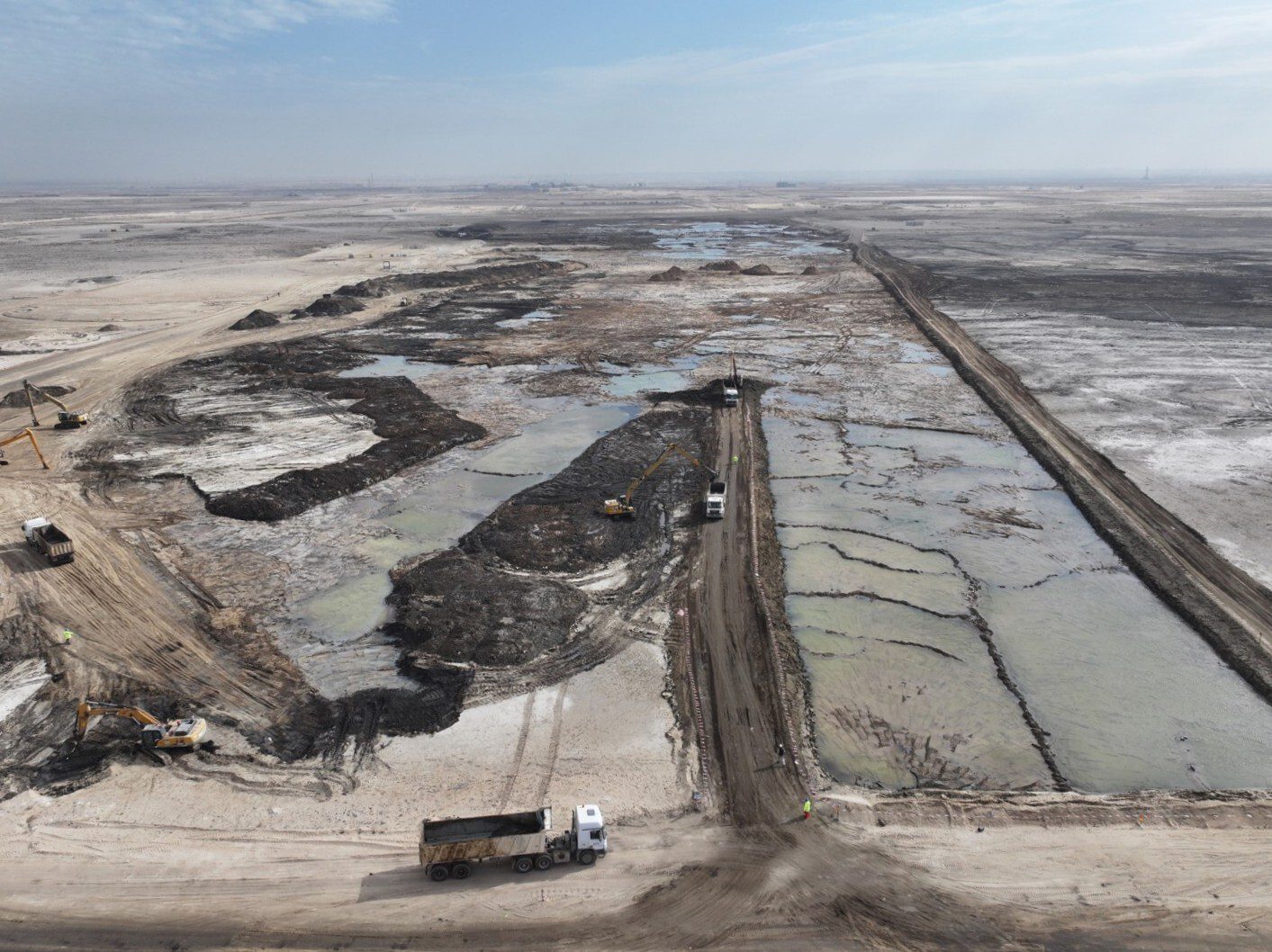
In 2021, Lamor signed two contracts as part of a joint venture with Khalid Ali Al-Kharafi & Bros. Co. (KAK) for soil remediation projects in Kuwait. Full-scale remediation began in early 2023.
By November 2026 KAK-Lamor had cleaned till Remediation Target Criteria (RTC) approximately 7.5 million tonnes of oil-contaminated soil. Eventual volume of contaminated soil to be bioremediated, soil washed or disposed to hazardous waste landfill in our projects will be approximately 10 million tonnes.
Under an extension agreed with Kuwait Oil Company, the work continues until July 2027 at the latest.
Challenge
Kuwait’s oil spill during the Gulf War in 1991 is the largest man-made oil spill in history. Some 700 oil wells were set on fire, and oil flowing from the wells formed lakes across the desert.
The Kuwait Environmental Remediation Program (KERP), a UN-backed programme run by Kuwait Oil Company, was set up to clean, remediate and revegetate the affected area. The area covers 114 square kilometres (nearly twice the size of Manhattan) and contains 26 million cubic metres of contaminated soil, which makes KERP the largest inland environmental clean-up in history.
Solution
The work began with design and permitting, including an Environmental and Social Impact Assessment and health and safety studies. Oil lakes and contaminated piles were mapped with satellite imagery, ground-truthing and some 2,500 soil samples, and the areas were cleared of unexploded ordnance left from the war. Both treatment methods, bioremediation and soil washing, were tested from laboratory to field scale before full-scale work began.
KAK-Lamor then built the treatment centres, access roads and site offices. At its peak, around 700 people worked on the projects.
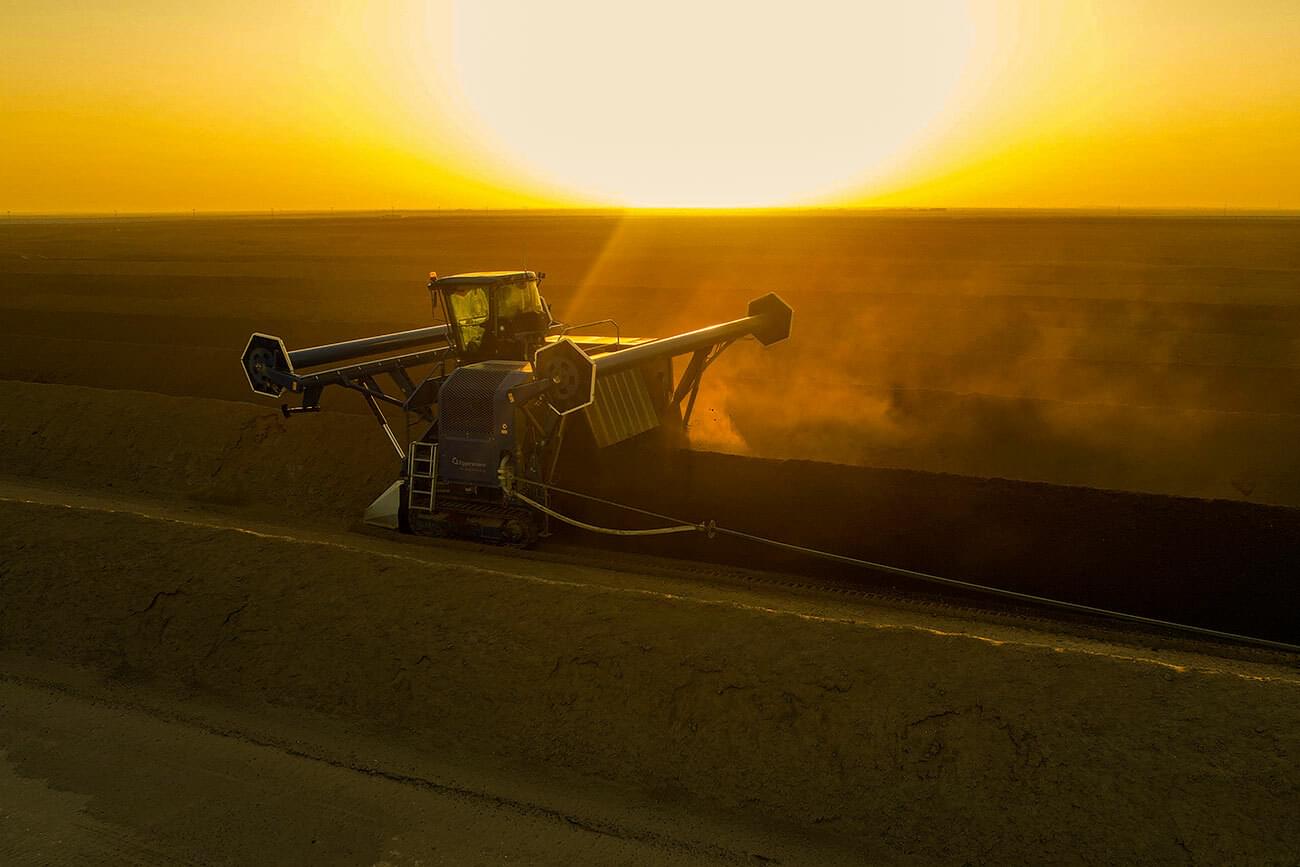
About three quarters of all excavated soil has been cleaned by bioremediation. The soil is placed in windrows, tilled and irrigated, and treated with microorganisms with hydrocarbon mineralization capabilities isolated from Kuwait’s own soil and grown in on-site bioreactors. Because these microbes are adapted to hot and dry conditions, irrigation has averaged only about 70 litres per tonne of soil. In 99% of treated batches the soil has reached the client’s remediation target.
More heavily contaminated soil is treated in three soil washing plants, one of which also recovers the oil. The plants recycle their process water seven to ten times and produce no wastewater. Material that cannot be treated is placed in an engineered hazardous waste landfill that KAK-Lamor designed, built and capped.
Bioremediation has worked on more difficult soils and with less water than anyone expected at the start. That is the result of careful testing and of a team that has learned something new from this desert every year.
Impact
Clean, healthy soil is essential to survival. It supports clean air, protects ground and surface water, and sustains biodiversity and food production.
The treated soil is returned to use. Bioremediated soil contains added organic matter and nutrients, which makes it a good growing medium, and it has been used in Kuwait Oil Company’s revegetation projects to help counter desertification.
Remediating 7.5 million tonnes of soil on schedule took an experienced international team and a strong local partner.
What we have learned in Kuwait is now available to every customer facing a similar problem.
Read also
Images


Stay in the know
Sign up for our newsletter to learn more about innovations enabling the survival of our dear planet.
Related articles
View all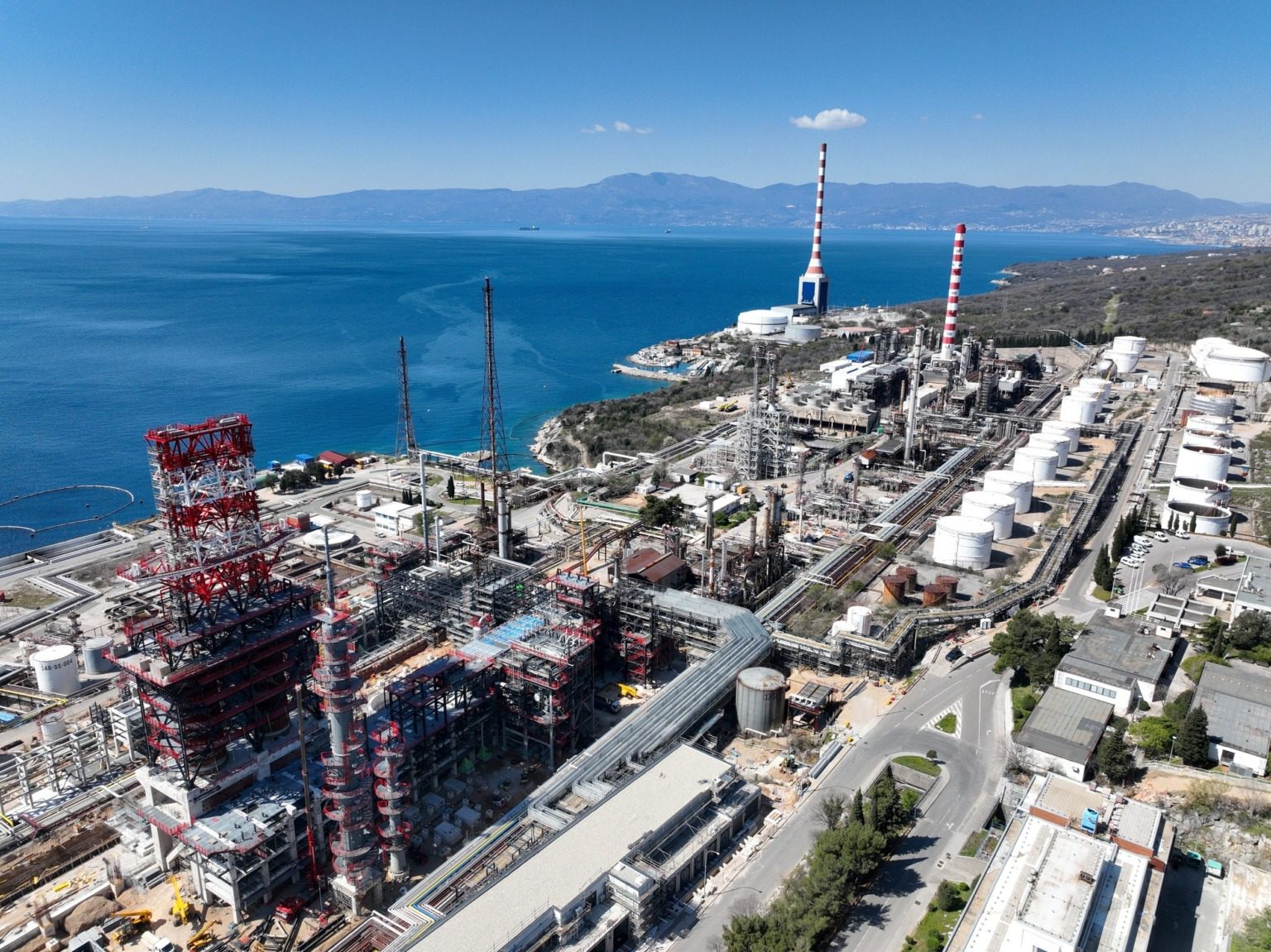
04.11.2026
Lamor and Litoclean consortium makes steady progress on Rijeka Refinery seabed remediation in Croatia
Read more
18.09.2026
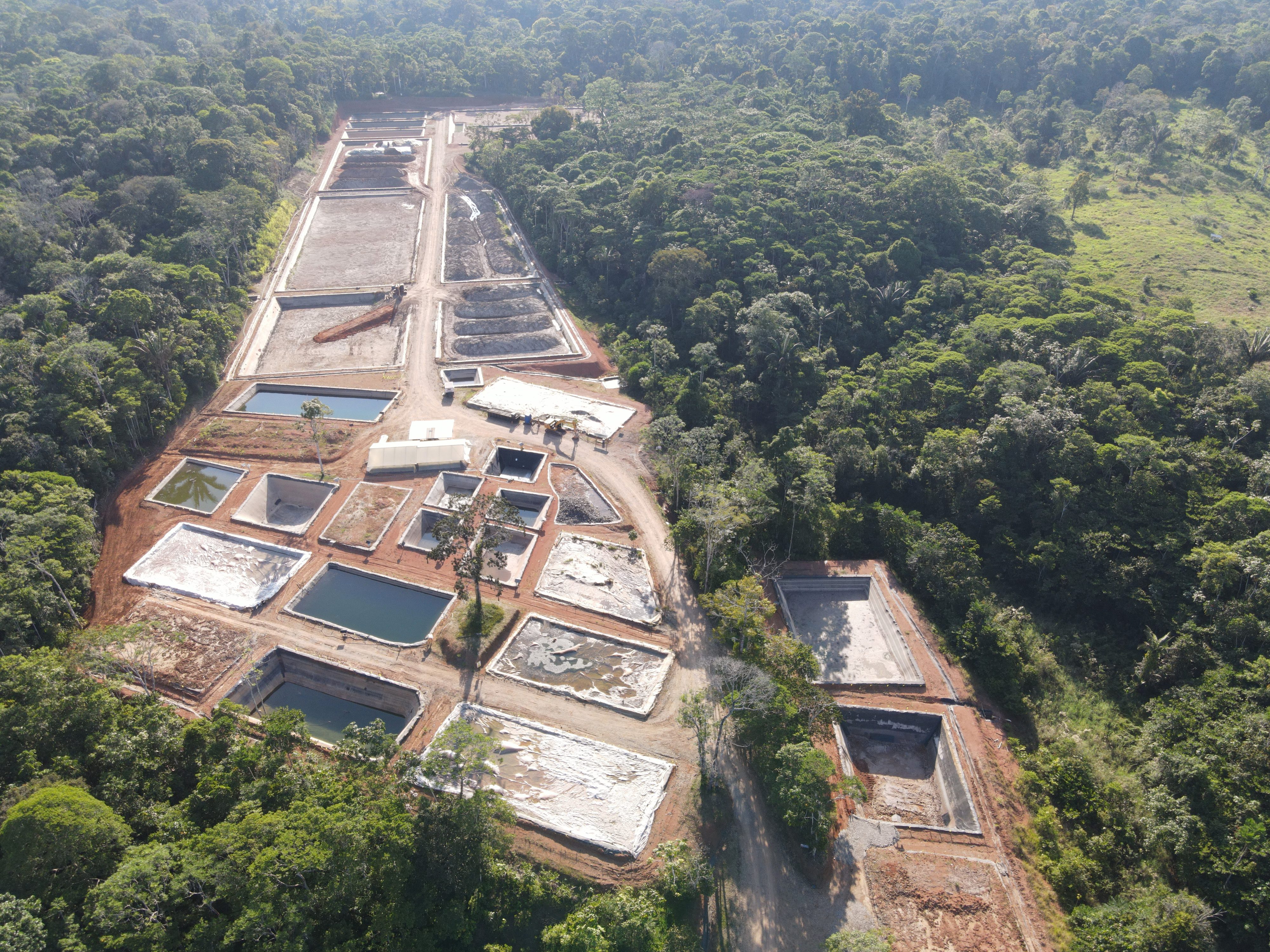
Blog: Lamor expertise in global hydrocarbon remediation
Read more
06.07.2026
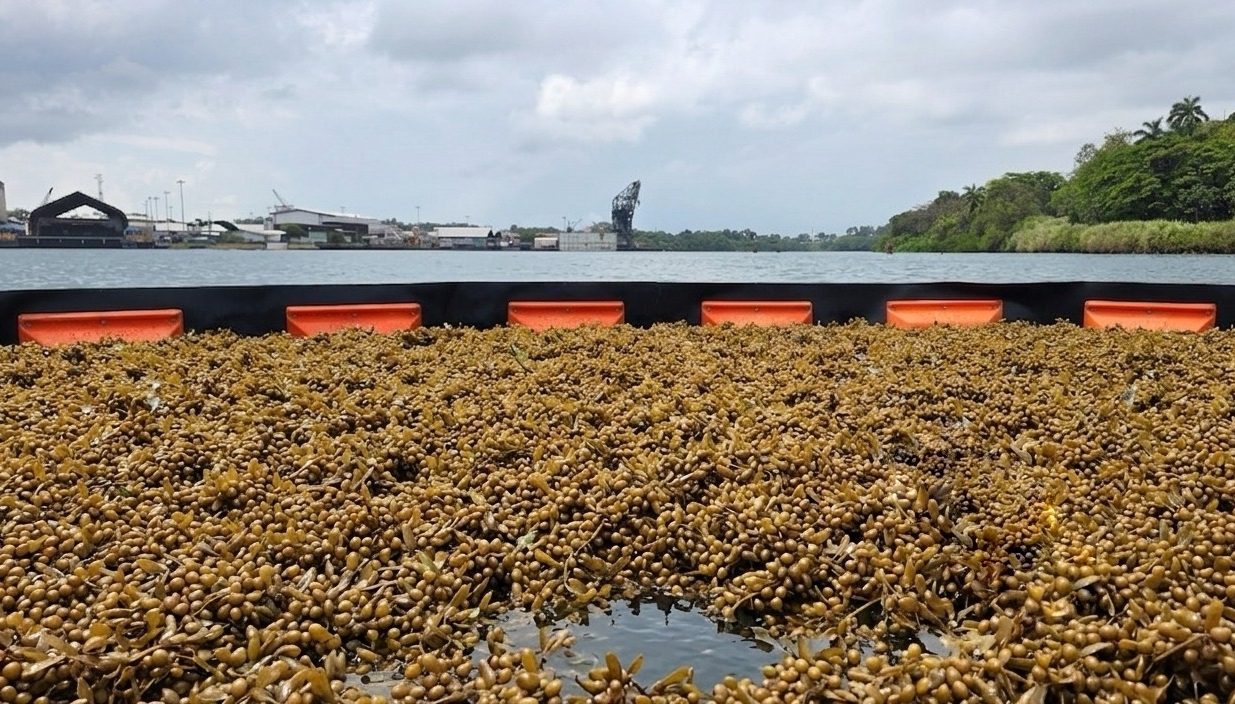
Guarding our coastlines: How Lamor's specialized booms counter the sargassum crisis
Read more