






From the CEO: The risk of an oil spill in the Baltic Sea and the Gulf of Finland is higher than ever
The risks in maritime traffic have increased to an unprecedented level. The end of the military actions between Iran and the United States is long-awaited and brings relief both from a humanitarian and economic perspective, but at the same time it is clear that cleaning up oil spill damage will take a long time.
This text was published as an op-ed in a leading Finnish newspaper Iltalehti on June 16, 2026.
When following events in Iran and the Strait of Hormuz in real time, it feels like we have seen this before. The Gulf War in the 1990s entered people’s homes through television in an unprecedented way. It is often said that there are no winners in wars. What is certain is that, in addition to ordinary people, the environment and nature lose every time in wars and conflicts. This was also the case in the Gulf War, and its consequences extend into the 2020s.
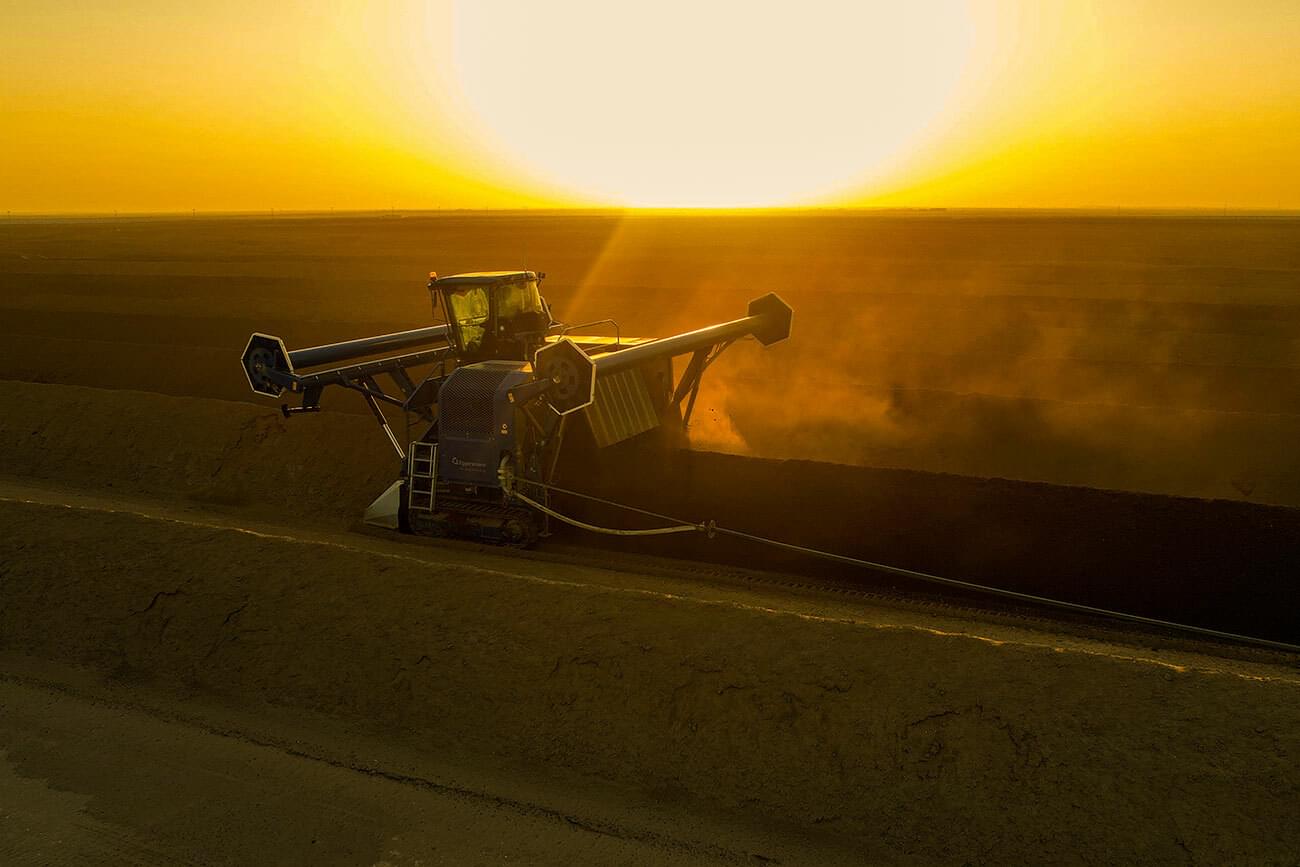
A good example of that is the oil fields of Kuwait, which were destroyed over 30 years ago. This was the largest oil disaster ever caused by humans. The largest land remediation effort in world history was required to reverse the damage caused by the war and restore contaminated soil. The operation has been carried out significantly in the 2020s with Finnish expertise. However, the environmental catastrophe was so severe that, despite excellent results, the work will continue for a long time. The affected land area is so large.
It is understandable that, amid the Iran conflict—with maritime disruptions and military operations in a region through which a significant share of the world’s oil shipments pass—public debate, both domestic and international, has focused on the price of oil. This is certainly important and has a major impact. At the same time, however, very little has been said about the cost if and when oil ends up in the sea—let alone the cost of a potential oil spill or environmental disaster on the scale of the 1990s.
The conflict between Iran and the United States, which has lasted for several months, has raised the risks of environmental disasters and oil spills to an extremely high level. The end of hostilities is long-awaited and a relief both humanly and economically, but it is also clear that cleaning up oil spill damage will take a long time. Throughout the spring, satellite images have shown oil in the sea and along the coastlines of countries in the region. A de-escalation of the conflict means that repair and clean-up efforts can begin. Every marine area in the world is unique, and we cannot afford the destruction of their ecosystems and biodiversity.
In recent years, the COVID-19 pandemic, the energy crisis, and wars and conflicts have more clearly shown the vulnerabilities related to logistics and supply chains and security of supply—and how interconnected everything is. In the case of oil spills, similar interdependencies are evident: an oil spill at sea is primarily an environmental and ecological catastrophe, but it also affects industrial water intake and cooling systems, and thereby directly industrial operating environment. In the Middle East, the purity of seawater and the strengthening of preparedness and response capabilities are major issues.
Risks in the Baltic Sea and the Gulf of Finland at an unprecedented level
Just as we see increasing risks in maritime traffic globally, risks have also risen to unprecedented levels in the Gulf of Finland. Serious oil accidents have occurred there before, and we know what that means.
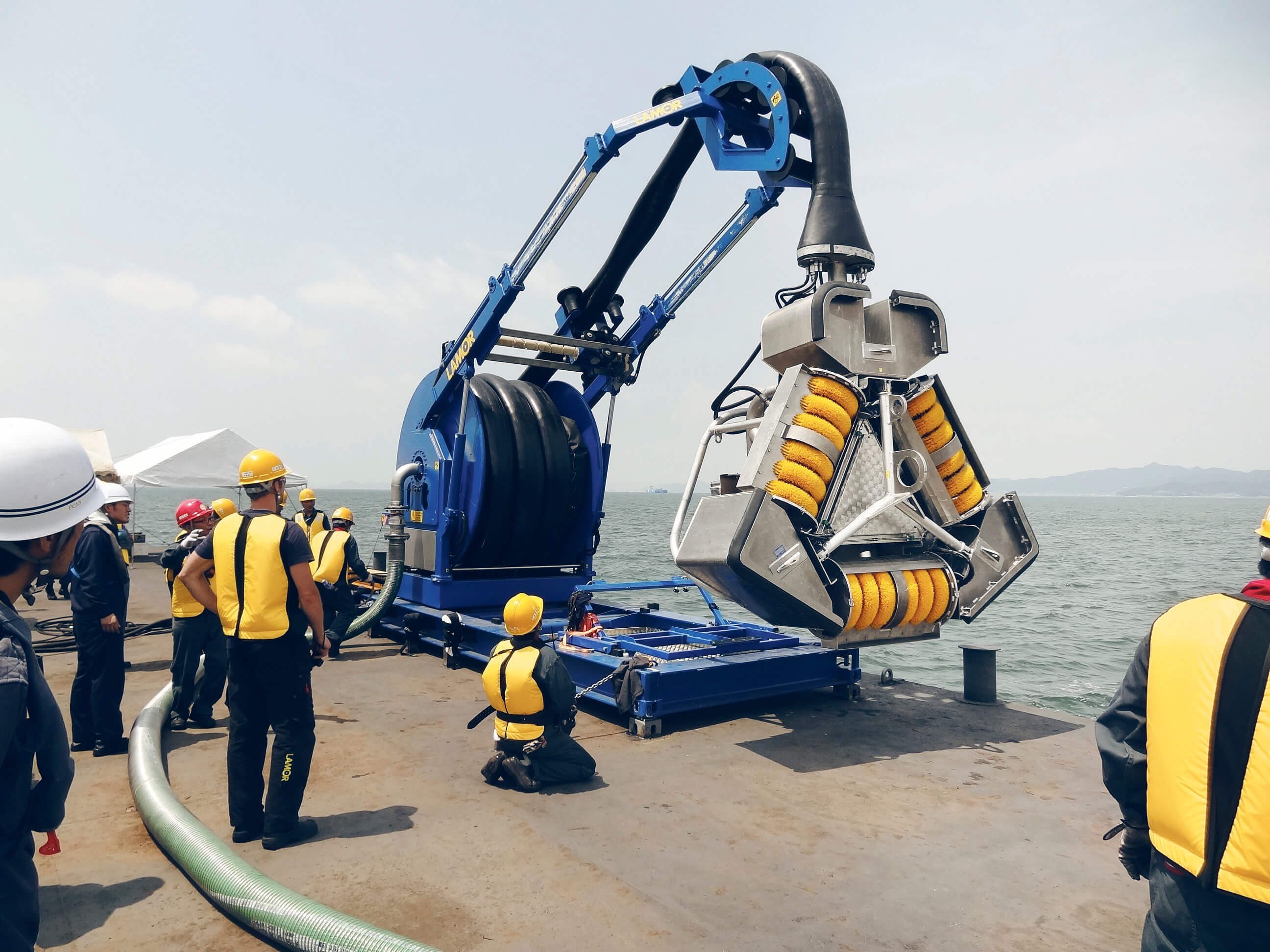
I was born in 1968, and in December 1969 a Soviet tanker ran aground in Porvoo, spilling oil onto the shores. I vividly remember from my childhood playing by our cottage shoreline, turning over stones and finding oil underneath. Even then, I learned a fundamental rule of oil spill response: cleaning oil from shorelines is considerably more difficult than recovering it at sea.
The risks associated with maritime traffic and oil tankers have been recognized for a long time, but they have now increased to an unprecedented level. The war in Ukraine has been ongoing for more than four years. Geopolitical tensions and conflicts have become an integral part of risk assessments also in the Baltic Sea and the Gulf of Finland. In Finland, the issue concerns not only the environment but also industry and the economy.
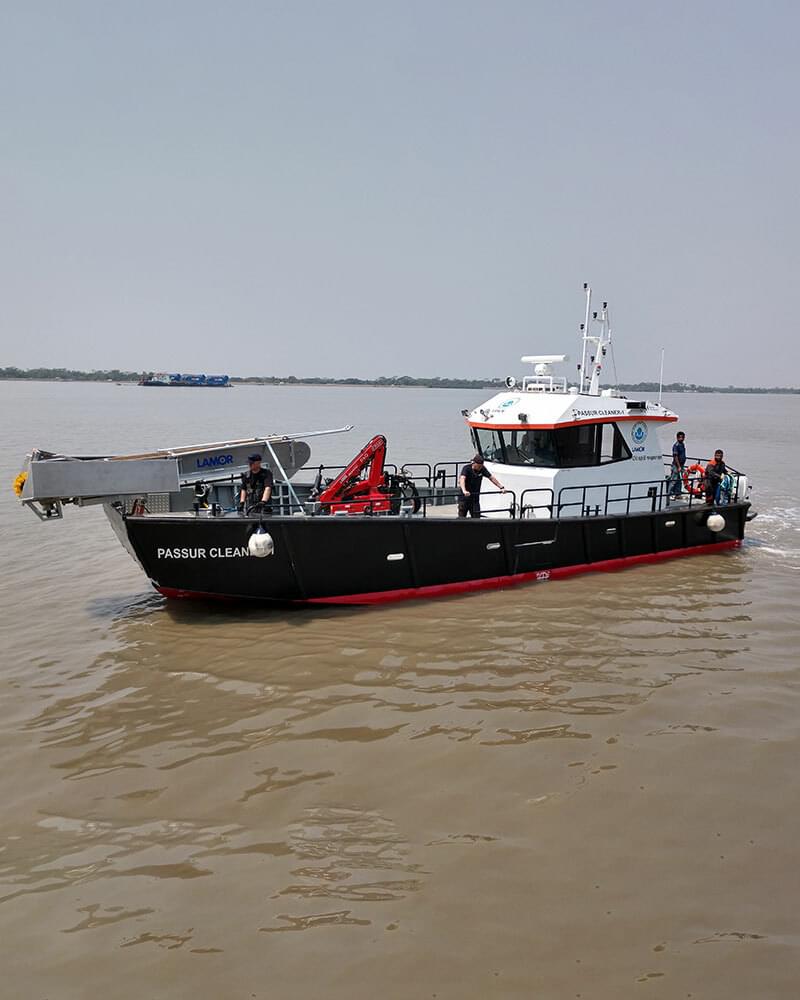
And this is no longer just about risk assessments—it is a new reality in which explosions and attacks are occurring at oil ports in the Gulf of Finland. It is therefore crucial that the level of preparedness and readiness increases in proportion to the risks. It is more important than ever to maintain capabilities for oil spill response and environmental protection.
Comprehensive security and preparedness have risen to the agenda in a new and very concrete way both in Finland and internationally. It is encouraging that Finland has a strong group of public and private actors ensuring comprehensive security—providing services and top-level expertise to improve preparedness.
The level of preparedness will determine whether, in the event of a major accident in the Gulf of Finland, oil can be recovered at sea—or whether it will reach our coastlines, in which case the clean-up could take decades in the worst scenario.
Fred Larsen
Chief Executive Officer
Lamor Corporation Plc
Stay in the know
Sign up for our newsletter to learn more about innovations enabling the survival of our dear planet.